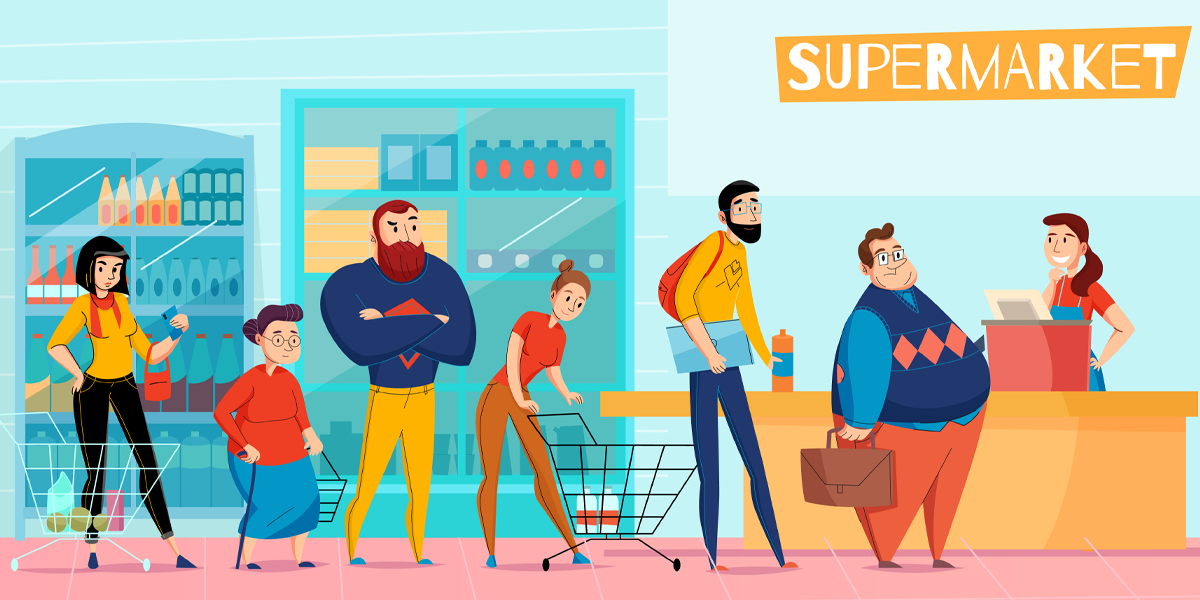
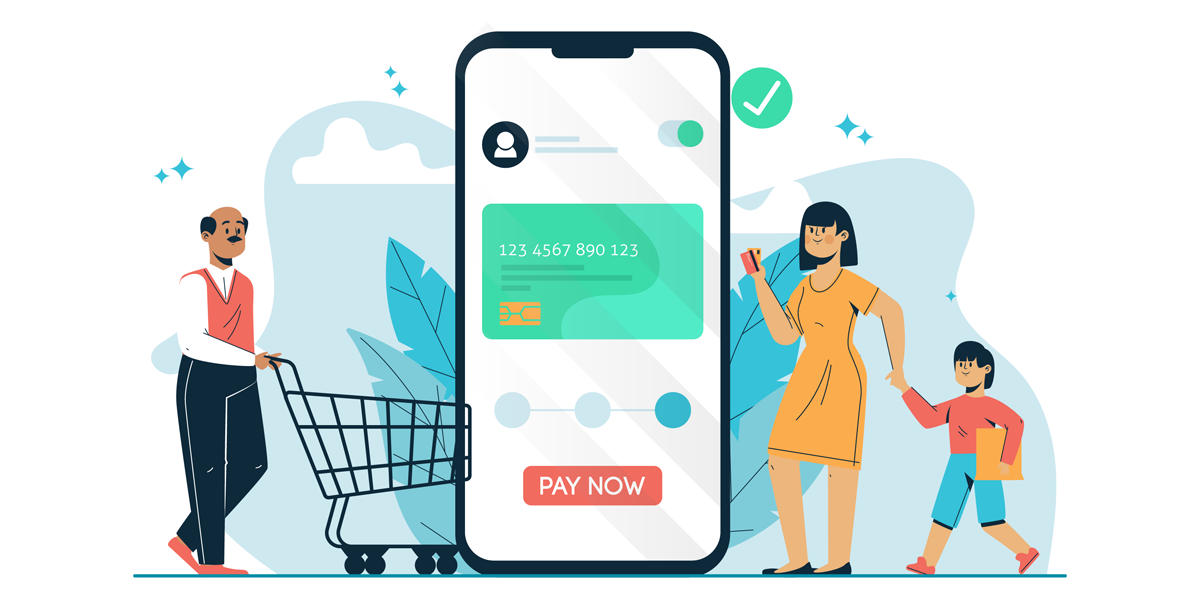
Modern retail isn’t just about products, it’s about people. Customers today expect brands to know who they are, what they like, and how they shop. That’s where clienteling comes in.
Once used only by luxury brands, clienteling has now become essential for every retailer looking to deliver personalized service at scale. But what exactly is clienteling, and how can it transform your retail experience?
Let’s break it down.
What is Clienteling in Retail?
Clienteling is the art and science of building long-term relationships with customers through personalized service and data-driven insights.
In practice, it means empowering store associates with information about each shopper’s purchase history, preferences, and behavior so every interaction feels tailored and meaningful.
At its core, clienteling helps retailers:
-
Understand each customer beyond their last transaction.
-
Deliver personalized product recommendations.
-
Reconnect customers with their favorite store associates.
-
Create experiences that foster loyalty, not just sales.
How Clienteling Works (and What Makes It Powerful)
Clienteling bridges the gap between data and human interaction. Here’s how it typically works:
-
Customer Data Collection: Purchase history, preferences, and engagement touchpoints are captured through POS, CRM, or loyalty systems.
-
Customer Profiles: Each shopper gets a dynamic, 360° profile accessible to store associates.
-
Personalized Communication: Associates can send tailored messages, style suggestions, or event invites via email, SMS, or WhatsApp.
-
AI and Analytics: Predictive tools recommend the right timing and products to re-engage customers.
-
In-Store Continuity: Associates can view notes from previous visits, creating seamless, ongoing conversations.
The result: a personalized retail experience that feels human, not transactional.
Why Clienteling Matters More Than Ever
In the age of omnichannel shopping, customers move fluidly between online and offline. Clienteling ensures that brands keep up recognizing customers wherever they shop.
Benefits include:
-
Stronger Customer Loyalty: Personal recognition builds emotional connection.
-
Higher Sales Conversion: Associates armed with insights convert more effectively.
-
Longer Customer Lifetime Value: Repeat visits rise when interactions feel personal.
-
Unified Omnichannel Experience: Whether in-store or online, shoppers get consistent service.
A Few Examples of Clienteling in Action
These examples show that clienteling isn’t about hard selling—it’s about thoughtful connection.
-
Luxury Retail: A stylist messages a VIP customer with new arrivals that match past purchases.
-
Electronics Retail: A store associate suggests an upgrade reminder before warranty expiration.
-
Beauty & Fashion: Personalized birthday discounts sent with recommended product bundles.
Technology’s Role in Modern Clienteling
Clienteling used to rely on handwritten notes and memory. Today, digital tools and AI make it smarter and scalable.
Modern clienteling platforms integrate with:
-
POS systems to sync transaction history.
-
CRM tools to track engagement.
-
AI engines (like Gemini AI powering Julien) to suggest personalized next steps.
-
Smart Receipts and mPOS to capture and act on customer data post-purchase.
👉 In essence, clienteling is the human face of digital retail intelligence.
Key Takeaway
Clienteling isn’t a luxury anymore—it’s a necessity. Retailers that master it don’t just sell more; they build relationships that outlast any campaign or season. By combining data, empathy, and technology, clienteling turns every transaction into a conversation—and every conversation into loyalty.
Conclusion
The future of retail lies in personalization at scale. Clienteling bridges the digital and human worlds giving associates the power to treat every shopper like a regular, even if it’s their first visit.
Whether you’re a boutique or a global chain, investing in clienteling means investing in relationships and that’s what truly drives long-term growth.